Cordless Grass Trimmer: A Practical Guide to Choosing the Right Battery-Powered Tool
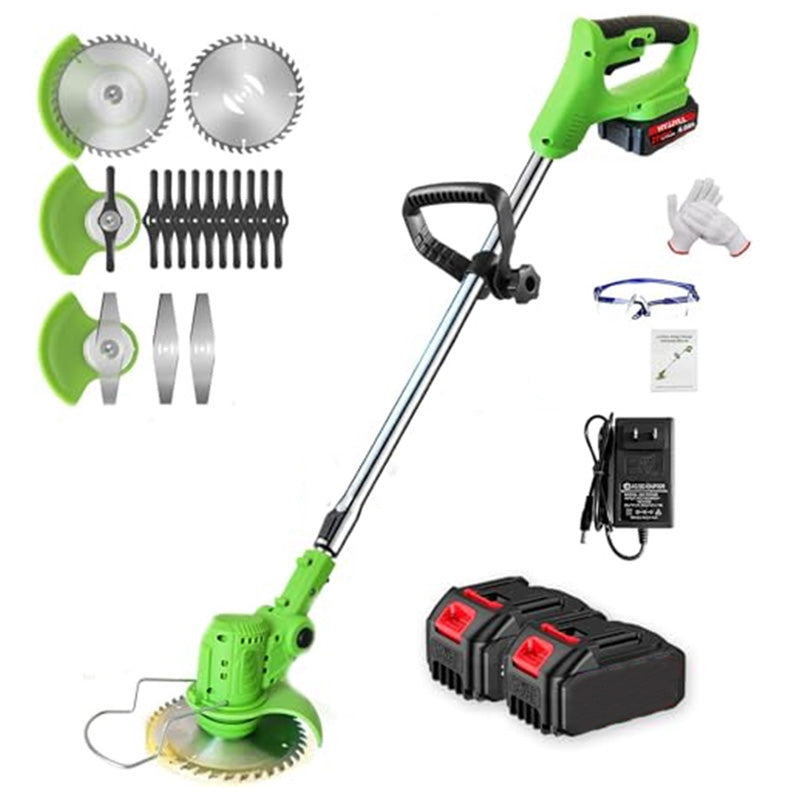
A well-maintained lawn is about more than simply cutting grass. Clean borders, tidy corners, narrow spaces, and areas around trees or garden features all contribute to a finished look. A mower can handle the main lawn, but a trimmer is often the tool that takes care of the places a mower cannot reach. For homeowners who want freedom of movement without managing a power cable, a cordless grass trimmer can be a practical addition to a garden tool collection.
Battery-powered trimmers have become increasingly convenient because they combine portable operation with straightforward starting and relatively low maintenance. However, choosing the right model is not simply about picking the highest voltage or the widest cutting diameter. Battery capacity, weight, cutting system, ergonomics, runtime, edging capability, and compatibility with other tools can all influence whether a trimmer is genuinely useful for your garden.
What Is a Cordless Grass Trimmer?
A cordless grass trimmer is a battery-operated garden tool designed to cut grass and light vegetation in areas that are difficult to reach with a conventional lawn mower. Unlike corded electric models, it does not require an extension cable while operating. This makes it particularly convenient around garden borders, fences, paths, raised beds, and awkward corners.
Most models use either a nylon cutting line or a blade-based system. Line trimmers are commonly suited to routine grass trimming, while some heavier-duty machines can accommodate different cutting attachments. The appropriate system depends on the type of vegetation and the manufacturer's specifications.
Why Battery Power Can Be Convenient
One of the biggest advantages of battery operation is freedom of movement. There is no outdoor extension cable trailing behind the user, which can make moving around a garden simpler. Battery-powered models can also be easier to start than petrol equipment because they typically use an electric switch or trigger rather than a pull-start mechanism. Independent buying guidance also notes that cordless models can be quieter and particularly convenient for smaller gardens.
Another advantage is that many battery systems are designed around interchangeable packs. If a manufacturer offers a compatible range of garden tools, the same battery platform may potentially work across multiple products. Always check the exact compatibility information before purchasing a replacement or additional battery.
What Makes the Best Battery Powered Grass Trimmer?
There is no single model that is automatically the best choice for every garden. The right option depends on the size of the area, the type of grass, how frequently the tool will be used, and whether edging is an important part of the job.
When comparing a best battery powered grass trimmer, start with practical specifications rather than marketing claims. Battery voltage can provide an indication of the electrical system, but it does not tell the entire story. Battery capacity, motor efficiency, cutting width, workload, and the condition of the grass all affect actual runtime and performance.
For example, a compact trimmer may be perfectly suitable for maintaining lawn edges and small patches of grass, while a larger garden with dense vegetation may require a more capable machine. A wider cutting diameter can cover more area per pass, but a heavier tool may be less comfortable during longer sessions.
Battery Capacity and Runtime
Runtime is one of the most important considerations when choosing cordless equipment. A battery with greater capacity can generally provide more operating time, although real-world performance varies according to the machine, cutting conditions, vegetation density, and operating speed.
It is useful to think about the amount of work you normally complete in one session. If trimming takes only a few minutes, a compact battery may be sufficient. For larger gardens, having a second compatible battery can reduce interruptions, provided the manufacturer approves the battery and charging system.
Battery charging should always follow the manufacturer's instructions. Use the specified charger and battery combination, and avoid charging in wet conditions. Battery and electrical safety guidance recommends using the correct charger and designated battery packs for the tool.
Cutting Width Matters
Cutting width determines how much grass the trimmer can cover during each pass. A wider cutting area can be helpful when maintaining larger stretches of grass, while a narrower design may provide better control in confined spaces.
For detailed edging around paths and garden beds, precision may be more valuable than maximum width. Consider where you will use the trimmer most frequently instead of choosing a specification simply because the number looks impressive.
Choosing a Cordless Electric Grass Trimmer
A cordless electric grass trimmer can be a good fit for homeowners who want a convenient alternative to petrol equipment or corded garden tools. Electric motors eliminate petrol fuel from the operating process, while battery operation avoids the need to manage an extension cable during trimming.
Ergonomics should be part of the buying decision. Look for an adjustable shaft, comfortable handles, sensible weight distribution, and controls that are easy to reach. Some models also include adjustable heads or spacers that can make working around walls, trees, and plants easier. For example, STIHL's FSA 86 R includes a spacer bracket designed to help with trimming around obstacles and offers interchangeable cutting attachments.
Why Edging Capability Is Useful
Neat lawn edges can make a noticeable difference to the appearance of a garden. A trimmer that can change into an edging position can be particularly useful along paving, driveways, paths, and flower beds.
When searching for an edge trimmer cordless option, pay attention to how the head or shaft adjusts. Some designs allow the cutting head to rotate or change orientation, while others use a guide or dedicated edging mechanism. The important factor is whether the design provides enough control for the type of borders found in your garden.
Some cordless trimmers specifically include an edging function. For example, one 20V model from INGCO lists a 300mm cutting diameter and an edging function among its specifications.
Line Feed Systems
Line management is another feature worth considering. Depending on the design, a trimmer may use a bump-feed system, automatic line extension, or another method of maintaining the cutting line.
A simple line-feed mechanism can save time when the cutting line becomes too short. Some models are designed so that line can be extended with minimal interruption. STIHL, for instance, describes an AutoCut head that can extend mowing line through a bump-feed action.
Always use the line size and type specified by the manufacturer. Using an unsuitable line can affect cutting performance and may damage the tool.
Weight and Ergonomics Should Not Be Ignored
A trimmer can look excellent on a specification sheet but still feel uncomfortable after several minutes of use. Weight distribution is therefore an important practical consideration. A balanced tool can be easier to control, particularly when trimming along long borders.
Adjustable handles and telescopic shafts can also make a difference because they allow the user to find a more comfortable operating position. Some heavier models may include a shoulder strap or harness to improve balance during extended work.
Safety Features to Look For
Safety should always come before cutting speed. Useful features can include a lock-off control that helps prevent accidental startup, a protective guard around the cutting area, and a battery system designed to stop operation under certain overload or overheating conditions. STIHL, for example, describes a retaining latch and throttle interlock on its battery trimmer range to help prevent unintended activation.
Before using any trimmer, clear stones, branches, toys, and other debris from the work area. Wear suitable footwear and eye protection, keep children and pets away from the working area, and follow the manufacturer's instructions. Electrical Safety First specifically recommends clearing debris and using appropriate protective equipment when operating grass trimmers.
Never attempt to clear tangled vegetation while the cutting system is operating. Switch the tool off and follow the manufacturer's procedure for removing the battery before inspecting or clearing the cutting mechanism.
How to Match a Trimmer to Your Garden
For a small residential lawn, a lightweight battery trimmer may be all that is required. Prioritize easy handling, adequate runtime, and an adjustable head. For medium-sized gardens, a model with a larger battery or access to interchangeable batteries can provide additional flexibility.
For areas containing dense vegetation, check whether the manufacturer specifically states that the model is suitable for that workload. A standard grass trimmer should not automatically be treated as a brush cutter. Different cutting attachments and machine categories are designed for different levels of vegetation.
Maintenance Tips for Better Performance
Regular maintenance can help keep a cordless trimmer working reliably. After use, inspect the cutting head and guard for accumulated grass or debris. Keep ventilation areas clear and store the tool somewhere dry and protected from extreme conditions.
Inspect the cutting line regularly and replace it according to the manufacturer's instructions. Check the battery and charger for visible damage before use. If the tool develops unusual noises, smells, or other signs of malfunction, stop using it and consult the manufacturer or an appropriately qualified service professional.
Frequently Asked Questions
Are cordless grass trimmers suitable for small gardens?
Yes. Their freedom from a power cable can make them particularly convenient for small residential gardens, lawn edges, and areas around obstacles. The ideal battery size depends on how much trimming you need to complete.
How long does a cordless trimmer battery last?
Runtime varies by battery capacity, tool design, cutting conditions, vegetation, and operating mode. Always use the manufacturer's stated runtime as a guide rather than assuming every garden will produce the same result.
Can a cordless trimmer be used for edging?
Many models include an edging function or adjustable cutting head, but the exact method varies. Check the product specifications before purchasing if lawn edging is a major requirement.
Is a higher voltage always better?
Not necessarily. Voltage is only one part of the overall specification. Weight, battery capacity, cutting width, motor design, ergonomics, and the intended workload should all be considered together.
What should I check before buying?
Compare battery compatibility, runtime, cutting width, weight, line-feed system, edging capability, controls, safety features, warranty information, and the manufacturer's recommended applications. A reputable retailer and clear product documentation can also make purchasing and after-sales support easier.
Final Thoughts
A cordless trimmer can make the finishing stage of lawn care considerably more convenient. The best choice is not necessarily the most powerful or expensive model; it is the one that matches your garden, workload, preferred handling style, and battery requirements.
Before buying, consider where the tool will be used, how long a typical trimming session lasts, whether edging is important, and what type of vegetation you expect to cut. A sensible combination of runtime, manageable weight, appropriate cutting capacity, useful safety features, and comfortable ergonomics can make routine garden maintenance much easier.
For homeowners comparing battery-powered garden equipment, exploring the available cordless grass trimmer options with these practical criteria in mind is a better approach than choosing based on a single specification. The goal is simple: a dependable tool that makes lawn edges, corners, and hard-to-reach areas easier to keep neat.